Hiking is more than just exercise—it’s a passion, a lifestyle, and for many, a deeply transformative experience. But why do so many enthusiasts keep returning to trails, year after year? The answer lies in a mix of physical health, mental clarity, emotional fulfillment, and the joy of overcoming challenges in nature.
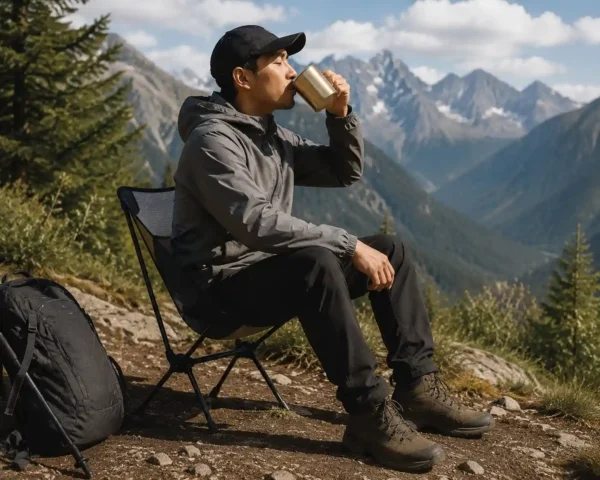
While the right equipment can make outings more comfortable—like a portable camping chair for quick rest breaks or a titanium cup for convenient hydration—the essence of hiking lies in the experience itself.
Physical Benefits That Keep Hikers Coming Back
1. Full-Body Fitness
Hiking engages muscles in the legs, core, and even the upper body, while improving cardiovascular health. Regular hikers often feel stronger, leaner, and more energized.
2. Mental Clarity and Focus
Spending time on trails helps stimulate the nervous system, increasing alertness and reducing fatigue. The rhythm of walking and the fresh air naturally refresh the mind.
3. Resilience and Endurance
Long trails, variable terrain, and changing weather conditions challenge both body and mind. Overcoming these challenges fosters a sense of accomplishment and builds stamina over time.
Emotional and Spiritual Drivers
1. Stress Relief and Mindfulness
Hiking offers a break from daily pressures, allowing enthusiasts to immerse themselves in the calm of nature. Even short pauses on a foldable camping chair can enhance moments of relaxation.
2. Self-Discovery
Time on trails encourages reflection, helping hikers discover inner strengths and resilience. Solitude in nature provides space for introspection and personal growth.
3. Connection with Nature
Hiking fosters appreciation for the world around us. Observing wildlife, listening to the forest, or watching a sunset from a mountaintop inspires mindfulness and gratitude.

Challenges and Motivation
Hiking isn’t always easy, and it’s often the challenges that keep enthusiasts engaged:
- Altitude: Higher elevations push the body to adapt, improving lung capacity and stamina.
- Terrain: Rocky, uneven trails improve balance and engage multiple muscle groups.
- Weather: Heat, rain, or wind tests resilience and adaptability.
- Isolation: Remote trails encourage self-reliance and careful planning.
In these moments, having the right gear can support comfort and safety—like a lightweight survival sleeping bag for overnight hikes or a survival bracelet as a small safety measure—but it’s the act of facing and overcoming challenges that creates lasting fulfillment.

Different Hiking Experiences
1. Short or Leisure Hikes
These are great for beginners or those looking for a gentle way to exercise. Regular short hikes help maintain fitness and encourage a habit of outdoor activity.
2. Long-Distance or Multi-Day Treks
Endurance is key, and hikers enjoy the sense of accomplishment that comes from covering many miles. Planning and pacing, as well as resting when needed, are essential to persist.
3. Mountain or Rugged Terrain Hiking
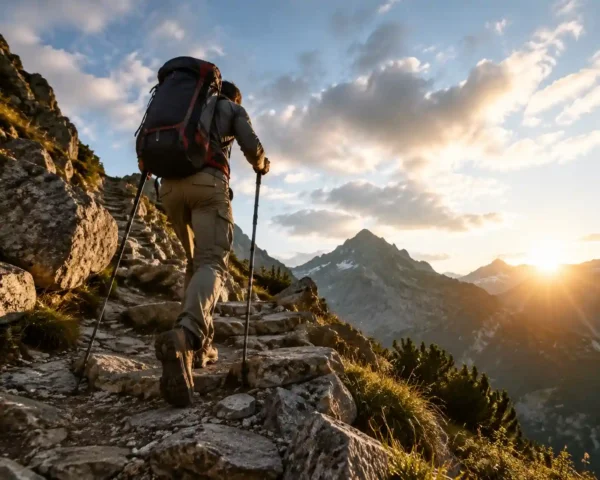
The challenge of elevation, rocky paths, and unpredictable weather pushes hikers physically and mentally. The reward is a profound sense of achievement and connection with the landscape.
4. Forest Trails
Walking in wooded areas engages the senses and promotes calmness. Even short breaks using a foldable chair can enhance these restorative experiences.
5. Desert or Extreme Environment Hiking
Hikers in extreme environments face heat, dryness, and isolation, which build discipline and focus. Survival gear may be helpful, but the primary motivation remains the personal growth that comes from enduring and adapting.
Why Hikers Keep Returning
Ultimately, hiking enthusiasts persist because the activity combines physical challenge, mental clarity, emotional satisfaction, and a deep connection with nature. The act of moving through trails, facing the unexpected, and reflecting along the way provides rewards that are difficult to replicate elsewhere.
Equipment like a portable camping chair, titanium cup, or lightweight survival gear can enhance comfort and convenience, but the true reason hikers return to the trail is the experience itself—the freedom, the challenge, and the perspective it offers on life.