When planning your next camping or hiking trip, choosing the right outdoor tableware is just as important as preparing your meals. The material of your tableware determines its durability, weight, safety, and performance. In this guide, we’ll explore the most popular outdoor tableware materials—titanium, stainless steel, aluminum, plastic, silicone, and wood—to help you make smart choices for your outdoor adventures.
Why Outdoor Tableware Materials Matter
Selecting the right outdoor tableware materials can make outdoor dining easier, safer, and more enjoyable. Your cookware and utensils face constant exposure to heat, moisture, and rough handling. The right material should withstand these challenges while keeping your food safe and tasting great.
Titanium: Lightweight Durability with High Heat Resistance
Why It’s Great:
- Lightweight and Strong: Titanium is a highly valued material in the outdoor industry due to its exceptional strength-to-weight ratio. It is incredibly strong but lightweight, making it ideal for outdoor enthusiasts looking to save on weight without compromising durability.
- Corrosion-Resistant: Titanium doesn’t rust, even when exposed to saltwater or high moisture environments, making it an excellent choice for coastal camping or mountaineering.
- High Heat Resistance: Titanium can withstand high temperatures without warping or degrading, making it perfect for cookware like titanium pots and cups for hot drinks. Importantly, titanium won’t leach harmful chemicals or toxins when exposed to heat, unlike some other metals.
- Biocompatibility: Non-reactive and safe for human health, titanium is often used in medical devices and food-related products, ensuring it poses no health risk. For health-conscious customers, this is a major plus.
Drawbacks:
- Higher Price: The processing cost of titanium is relatively high, making titanium tableware more expensive compared to alternatives like stainless steel or aluminum. This price difference can be a consideration for budget-conscious customers.
- Low Heat Conduction: While titanium is heat-resistant, its thermal conductivity is lower compared to materials like aluminum or stainless steel. This means that it is not as efficient for tasks requiring rapid or even heat distribution, such as cooking with cookware. For example, titanium pots and pans tend to heat up slower, which may not be ideal for those who need quick and uniform cooking.
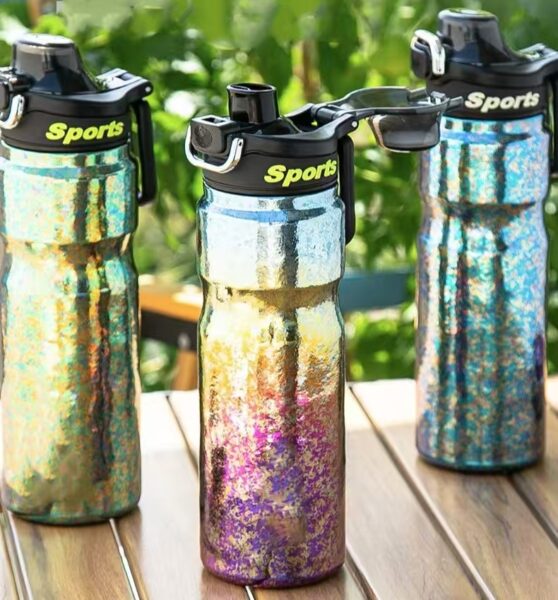
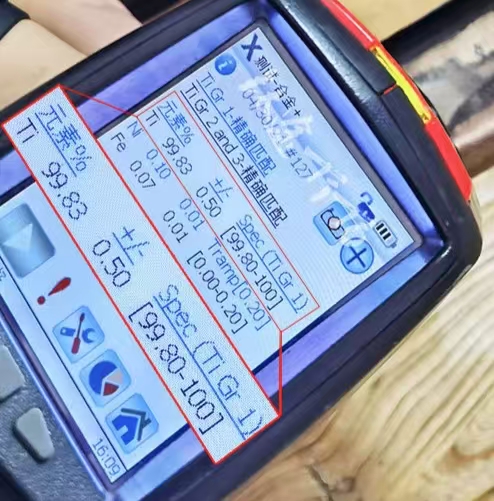
Titanium Metal Content Testing
Why You Should Stock It:
Titanium’s their exceptional corrosion resistance and non-toxic properties make them an attractive option for those seeking gear that prioritizes health and durability. While the initial cost may be higher compared to other materials, the value in long-term performance and reliability can be a strong selling point, especially for customers seeking durable products for frequent use.
Stainless Steel: Reliable and Durable with Potential Health Concerns
Why It’s Great:
- Tough and Long-Lasting: Stainless steel is one of the most reliable materials for outdoor cookware. It’s known for its strength, durability, and resistance to rust in moisture-laden environments.
- Easy to Clean: Stainless steel is also easy to clean, which is an essential feature when you’re out in nature and don’t have access to a full kitchen.
Drawbacks:
- Relatively Heavy: Compared to titanium and aluminum, stainless steel tableware tends to be bulkier and heavier. While it is highly durable, the added weight can make it less convenient for outdoor enthusiasts who prioritize lightweight gear. For customers who require maximum portability and ease of carrying—such as backpackers or hikers—stainless steel might not be the first choice.
- May Contain Chromium or Nickel: While generally food-safe, some stainless steel products may contain chromium or nickel, which could be problematic for individuals with certain allergies or sensitivities.
- High Heat Conductivity: Stainless steel is highly conductive, which can be a disadvantage when it comes to utensils like spoons and forks. The handles can get hot during use with hot food, making them less user-friendly for some people.
Perfect For: Customers who need durable, reliable outdoor cookware but prefer a material with a lower upfront cost than titanium. Stainless steel is great for all-around use, from casual campers to more serious outdoor enthusiasts.
Aluminum: Lightweight and Budget-Friendly, but with Caution
Why It’s Great:
- Light and Affordable: Aluminum is one of the lightest and most cost-effective materials, making it a popular choice for hikers and campers on a budget.
- Quick to Heat: Aluminum cookware heats quickly, which can be an advantage when you’re cooking outdoors and want to minimize your meal prep time.
Drawbacks:
- Low Corrosion Resistance: Aluminum is more prone to corrosion compared to stainless steel or titanium, particularly when it comes into contact with acidic foods or moisture. This can lead to discoloration or material degradation over time, particularly in saltwater environments.
- Prone to Deformation: Aluminum is relatively soft and can deform easily under pressure or heavy use, which can shorten the lifespan of the cookware.
- Potential Health Risks: Prolonged use of aluminum cookware, especially at high temperatures, could lead to leaching of aluminum salts, which some studies suggest might have health risks over time.
Perfect For: Lightweight and budget-conscious adventurers, though it’s important to be aware of its limitations regarding durability and corrosion resistance.
Plastic: Lightweight and Affordable, but Health and Environmental Concerns
Why It’s Great:
- Lightweight and Cost-Effective: Plastic is one of the cheapest materials available, which makes it a great choice for customers who are looking for budget-friendly options.
- Variety in Colors: While plastic cookware is known for its wide range of bright colors, titanium products have also evolved to offer vibrant, non-toxic, and durable color options. Thanks to advanced high-temperature crystallization techniques, titanium cookware can now be made in a variety of colors without the use of harmful paints or coatings. This ensures that your outdoor gear not only looks attractive but also maintains the inherent health benefits of titanium, making it an even more versatile and appealing choice for consumers.
Drawbacks:
- Not Heat-Resistant: Plastic can easily melt or deform under high temperatures, especially in cooking scenarios. Some plastics may release harmful chemicals, such as BPA, when exposed to heat.
- Environmental Concerns: Plastic is not biodegradable, contributing to environmental damage when disposed of improperly. In a world where sustainability is gaining importance, this could be a significant concern for many customers.
- Potential Health Risks: Some plastic materials may not be food-safe or could leach chemicals over time, especially when used in high-heat environments.
Why Not Recommended: Plastic is lightweight and inexpensive, but its lack of heat resistance and potential health risks make it unsuitable for long-term or serious outdoor use. It’s better suited for single-use products or very budget-conscious buyers.
Silicone: Flexibility and Safety
Why It’s Great:
- High Flexibility: Silicone is highly elastic and durable, making it resistant to cracking. This makes it a safe choice, especially for families with young children, as it’s less likely to cause injury or break.
- High Heat Resistance: Silicone tableware can withstand high temperatures, typically over 200°C, making it ideal for use in situations where cookware or utensils come in contact with hot foods or drinks.
- Non-toxic and Odorless: Silicone is food-grade, free from harmful chemicals, and does not leach any toxic substances into food, ensuring long-term safety for food contact.
Drawbacks:
- Durability Concerns: Silicone is not as durable as metals, and it may degrade over time, especially when subjected to abrasion or heavy use.
- Potential Odor and Taste: Lower-quality silicone tableware might retain a slight odor or taste, particularly when used for the first time. It’s essential to choose high-quality silicone products to avoid this issue.
- Prone to Contamination: Due to its soft surface, silicone can attract dust and oils over time, and might require frequent cleaning to prevent the buildup of stains or odors.
Perfect For: Silicone tableware is an excellent choice for children due to its flexibility and safety. It’s also well-suited for those who need utensils that can handle high temperatures while remaining safe. However, its relative softness and lower durability compared to metals mean it may not be ideal for rugged, long-term outdoor use. For those looking for versatile, lightweight, and safe options, silicone can be a perfect addition to their outdoor dining collection.
Wood: Natural, Aesthetic, and Sustainable
Why It’s Great:
- Natural Look: Wood offers a timeless, rustic appeal and provides a more natural dining experience.
- Heat Insulation: Wood doesn’t conduct heat, making it comfortable to hold, even when serving hot foods.
- Eco-Friendly: Wood is a renewable resource and a great alternative to plastics and metals for those seeking sustainable outdoor products.
Drawbacks:
- Needs Maintenance: Wood requires regular care, such as oiling, to prevent cracking and drying. It is also more prone to staining and absorbing moisture.
- Not Heat-Resistant: While it won’t conduct heat, wood has limited resistance to high temperatures and may suffer damage if exposed to direct heat for too long.
Perfect For: Customers who appreciate traditional, eco-friendly gear and are willing to put in the effort to maintain it. Wooden products are well-suited for those who prioritize a natural experience.
Elevating Your Outdoor Gear Selection
For businesses focused on high-performance outdoor gear, offering a premium selection of titanium cookware could be a game-changer. As more customers seek durable, lightweight, and safe options for their outdoor adventures, titanium provides a superior combination of strength, corrosion resistance, and heat tolerance, making it an excellent investment in your product lineup.
At YIDOOUTDOOR, we specialize exclusively in titanium-based outdoor gear, offering a range of high-quality, durable, and lightweight products designed to withstand the harshest outdoor conditions. Our titanium tableware and cookware ensure that your customers have the best tools for their adventures, combining long-lasting performance with health and safety benefits.
Contact us today for bulk orders or wholesale pricing options to stock your store with the best titanium cookware for outdoor enthusiasts. Your customers deserve the best, and titanium is the perfect choice for them.