Lightweight outdoor tables have become a core product category in camping, hiking, and outdoor recreation markets. For brands, distributors, and retailers, sourcing the right product in bulk is no longer just about cost control, but about product durability, structural engineering, and long-term supply reliability.
In a highly competitive outdoor market, differences in materials, design, and manufacturing capability directly influence product performance, customer satisfaction, and brand positioning.
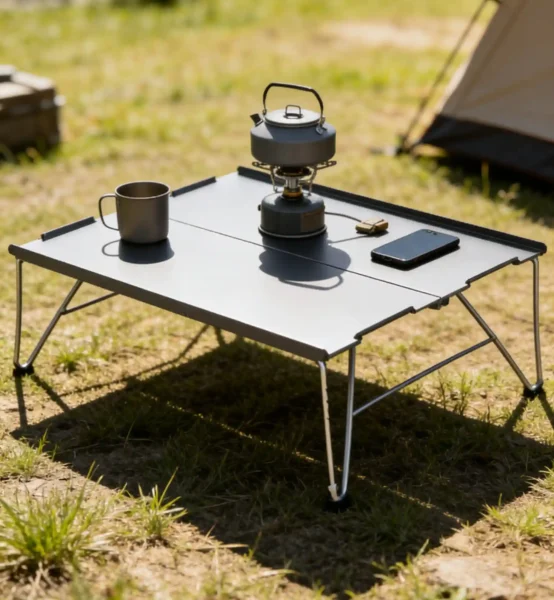
1. Market Demand and Growth Outlook
The global outdoor furniture and camping equipment market continues to show stable growth, driven by increasing participation in camping, hiking, and outdoor leisure activities.
Lightweight outdoor tables, in particular, are benefiting from this trend due to their portability, ease of use, and suitability for multiple outdoor scenarios.
According to industry research, the outdoor furniture market is projected to grow steadily over the 2025–2033 forecast period, exhibiting a compound annual growth rate (CAGR) of approximately 6.1%, supported by rising demand for lightweight, durable, and low-maintenance materials.
(Source: https://www.datainsightsmarket.com/reports/aluminum-outdoor-furniture-1311215)
2. Material Selection: Why Aluminum Alloy Dominates the Market
Material selection is the most critical factor in determining product performance and market acceptance. The main materials used in outdoor tables include aluminum alloy, steel, and composite materials.
Among these, aluminum alloy has become the dominant material in the lightweight outdoor table segment due to its optimal balance of weight, strength, and corrosion resistance.
Key Advantages of Aluminum Alloy
- High strength-to-weight ratio
- Excellent corrosion resistance in outdoor environments
- Lightweight structure for easy transportation
- High adaptability for folding and modular designs
- Stable performance in large-scale manufacturing
Aluminum extrusion technology also allows precise structural engineering, making it ideal for folding frames, telescopic legs, and reinforced support systems.
Composite Materials Overview
Composite materials are used in specific applications but remain secondary in bulk production:
- Wood-Plastic Composite (WPC): waterproof but relatively heavy
- Fiberglass Reinforced Plastic (FRP): durable but higher cost
- Carbon Fiber Composites: ultra-light but limited to premium niche markets
In mass-market outdoor furniture, aluminum alloy remains the most balanced and scalable solution.
3. Structural Design and Real-World Performance
Beyond materials, structural engineering plays a decisive role in usability and safety.
A well-designed lightweight outdoor table should ensure:
- Fast setup and folding (under 60 seconds)
- Stable load distribution on uneven terrain
- Reinforced locking systems
- Anti-slip feet for outdoor surfaces
- Compact folded dimensions for transport
Aluminum-based structures provide superior precision and stability in folding mechanisms compared to heavier or less flexible materials.
4. Weight Capacity vs Portability Balance
One of the key engineering challenges in outdoor table design is balancing strength and portability.
| Table Type | Weight Capacity | Application |
|---|---|---|
| Ultralight Folding Table | 10–15 kg | Hiking / Backpacking |
| Standard Camping Table | 20–30 kg | Family Camping |
| Heavy-Duty Outdoor Table | 40–60+ kg | Group / Commercial Use |
Aluminum structures allow manufacturers to increase load capacity without significantly increasing product weight, making them ideal for multi-scenario outdoor applications.
5. Recommended Structural Configurations
Two mainstream structural designs dominate the market:
5.1 Full Aluminum Structure
Used in premium outdoor tables, offering maximum durability, rigidity, and long-term stability.
5.2 Aluminum Frame + Fabric or Composite Tabletop
A cost-balanced solution widely used in mass-market camping products, combining aluminum frames with Oxford fabric, MDF, or composite panels.
The choice of structure depends primarily on market positioning and target user segment.
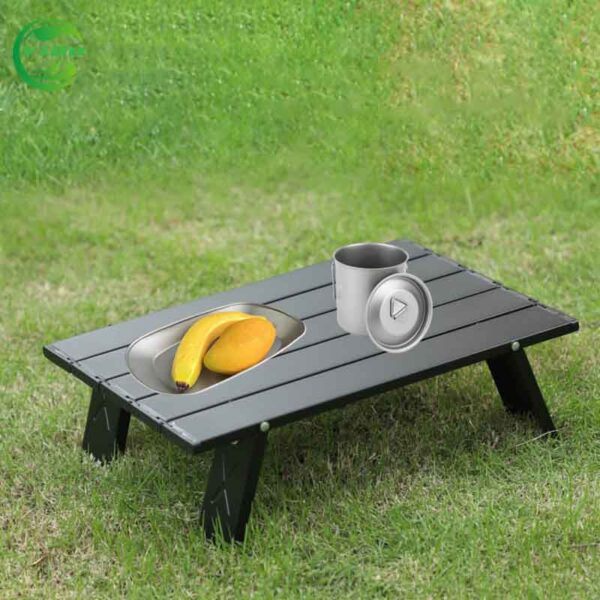
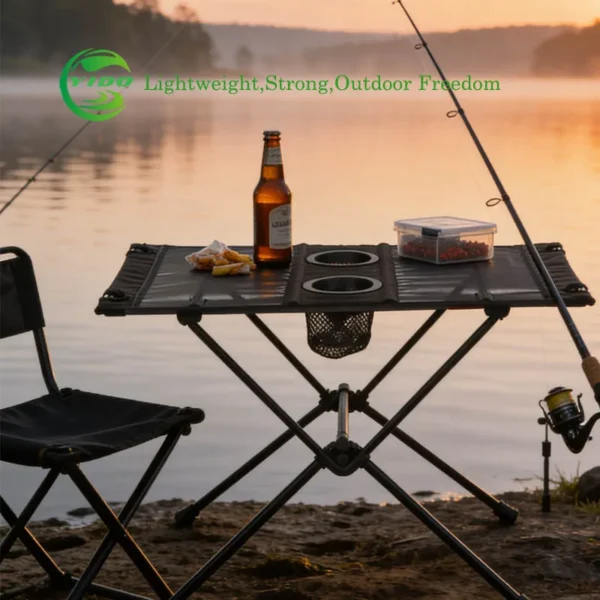
6. OEM Customization and Product Development
For brands and distributors, product differentiation is essential. A reliable manufacturing partner should support:
- Logo customization on frame or tabletop
- Color anodizing or powder coating
- Structural modifications and size variations
- Retail packaging design
- Multi-model product line development
Aluminum-based structures provide high flexibility for OEM customization due to their machinability and finishing options.
7. Supplier Capability and Service Flexibility
Beyond product specifications, supplier capability is a key factor in long-term cooperation.
Professional buyers should evaluate:
- Production stability and scheduling flexibility
- MOQ adaptability for different order sizes
- Ability to support urgent or phased shipments
- Logistics and export handling capability
- Engineering support during product development
- Responsiveness in communication and sampling
These factors reflect a supplier’s overall manufacturing strength and partnership reliability.
8. Packaging and Logistics Efficiency
Efficient packaging plays an important role in reducing shipping costs and improving product safety.
Key considerations include:
- Flat-pack folding structure for container optimization
- Stackable carton design
- Lightweight materials for freight efficiency
- Reinforced packaging for long-distance transport
Aluminum structures offer clear advantages in logistics due to their high strength-to-weight ratio.
9. Key Questions for Supplier Evaluation
When sourcing outdoor tables in bulk, buyers typically evaluate both product and service capabilities:
- What aluminum grade is used in production?
- What is the tested load capacity under real usage conditions?
- How many folding cycles has the product been tested for durability?
- What OEM customization options are available?
- How flexible is production scheduling and MOQ structure?
- Can the supplier support urgent or phased deliveries?
- How is packaging optimized for international shipping?
- What engineering support is available during product development?
These questions help buyers evaluate supplier capability, production consistency, and long-term cooperation reliability.
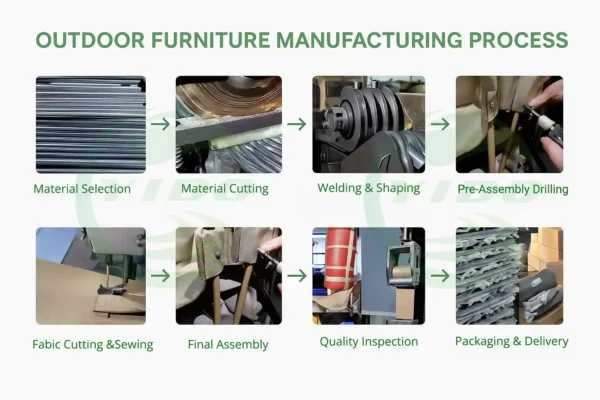
Sourcing lightweight outdoor tables in bulk requires a deep understanding of materials, structural design, and manufacturing capability.
Among all available materials, aluminum alloy remains the most widely adopted solution due to its excellent balance of weight, strength, corrosion resistance, and production scalability.
For brands and distributors, selecting the right aluminum-based product line is key to improving competitiveness in the growing outdoor furniture market.
👉 Contact us to customize aluminum outdoor tables or request OEM solutions tailored to your market.